
A Dawn Mistake, A Clearer View
I once signed off a last-minute lipstick tube in a chilly warehouse by the Liffey. The next week, the caps spun loose on the shelf. make up packaging manufacturers were not the problem; my brief and my checks were. Industry figures say packaging misfit can nudge return rates by over 12%, and delay launches by weeks. So, why do smart teams still trip on simple edges, like cap torque or resin choice, when the stakes are so high (and the clock is always ticking)? In Dublin light, you learn fast; the wrong finish or seal can turn a great formula into a long apology.
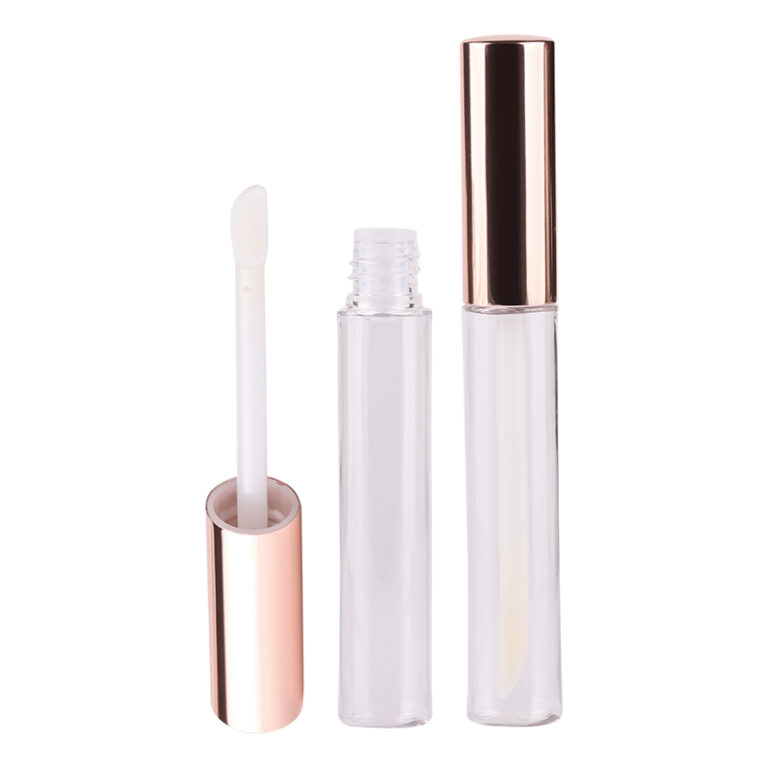
Here’s the goal today: compare the choices you face, show where they break, and map a cleaner route. We’ll keep it plain, a bit poetic, and useful—sure look, we’ve all been there. Let’s move into the real snags buyers miss, and how to avoid them.
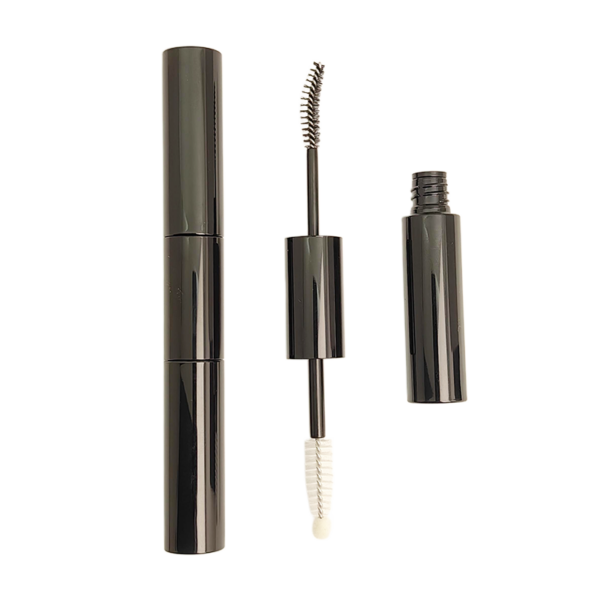
Hidden Pain Points in Makeup Packaging Wholesale
Where do buyers stumble?
When teams rush into makeup packaging wholesale, they often inherit pain they cannot see. The first blind spot is tolerance. A bottle can pass drawings yet fail on-line because the neck finish drifts a hair, and the cap’s torque spec no longer holds. That sliver of difference blooms into leaks. The second blind spot is capacity. Suppliers promise speed, but a small shift in MOQ or a seasonal spike forces retooling—and your lead time stretches. Look, it’s simpler than you think: alignment between tooling, line speed, and your fill viscosity matters more than one glossy render.
There’s also a quiet materials trap. PCR resin sounds grand on a slide, but if the grade varies, your airless pump can stall under cold-room tests—funny how that works, right? Add print challenges: UV coating plus heavy hot-stamping can scuff during a basic drop test, and the blame bounces between parties. None of this is drama; it’s basic system design. If the closure, bottle, and decoration are sourced from three shops, integration risk rises. And when your QA only checks pretty samples, you miss the run-rate truth. In short, wholesale scale amplifies small errors. That is the hard lesson.
Comparing What’s Next: New Tech That Shrinks Risk
What’s Next
To move forward, compare not just vendors but principles. The better makeup packaging companies now run digital twins of assemblies. They simulate torque drift, wall thickness, and pump back-pressure before a single mold cut. The physics is plain: if you model friction and compressive set at the start, your closure holds at the end. Add inline vision systems that flag cap mis-seating in real time—tiny cameras, big peace of mind. Some plants run modular tooling with quick-change inserts, so a small geometry tweak takes hours, not weeks. Couple that with material passports, and you track PCR batch variation like a hawk. (It’s tidy engineering, not magic.)
We’ve learned a few steady truths and can weigh them now—without the rush. First, integration beats scatter. Bring bottle, closure, and deco under one coordinated plan; you cut leakage and scuff disputes fast. Second, test like you ship. Run torque, drop, and cold-room cycles on production rate, not hand-picked samples; see the real curve. Third, map constraints. If your fill line shears thick creams, match the pump chamber design to viscosity, not trend. For choices ahead, keep three metrics close: process capability (Cp/Cpk on critical dims), system fit (closure-to-bottle torque window at both ends), and reliability under stress (pass rate across drop and thermal cycles). Hold to these and your margins and timelines breathe—funny how simple rules steady big launches. Close the loop with a supplier who can show these numbers, not just say them: NAVI Packaging.